
What helps the repair stick
Symptoms taken seriously
Details about timing and affected circuits help narrow the cause before we arrive.
Repair after diagnosis
We fix the fault we find, not the part that merely looks most likely at first glance.
Small jobs still matter
Failed sockets and tripping circuits are not treated as too minor to sort out.
Help for faults that stop the day in its tracks
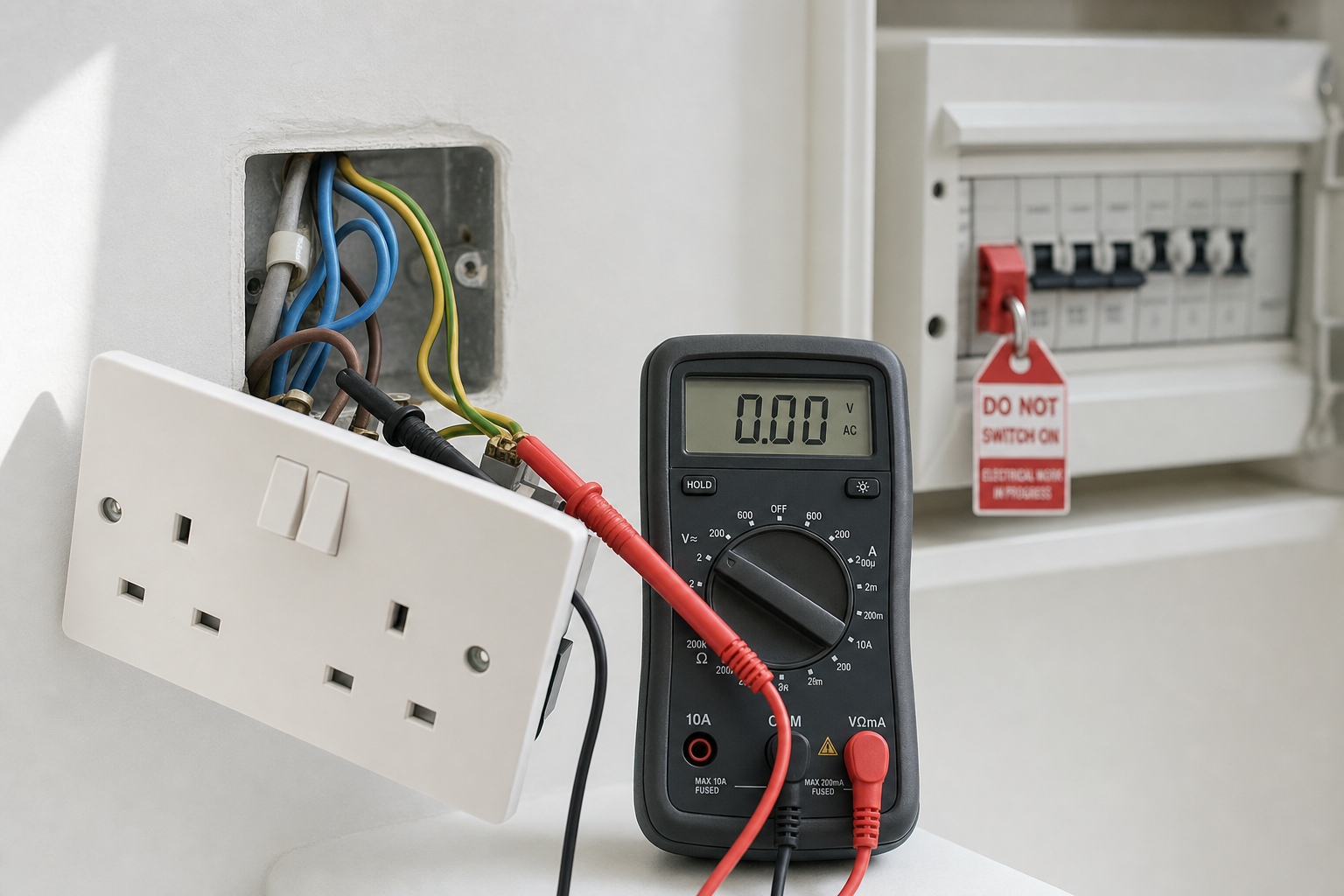
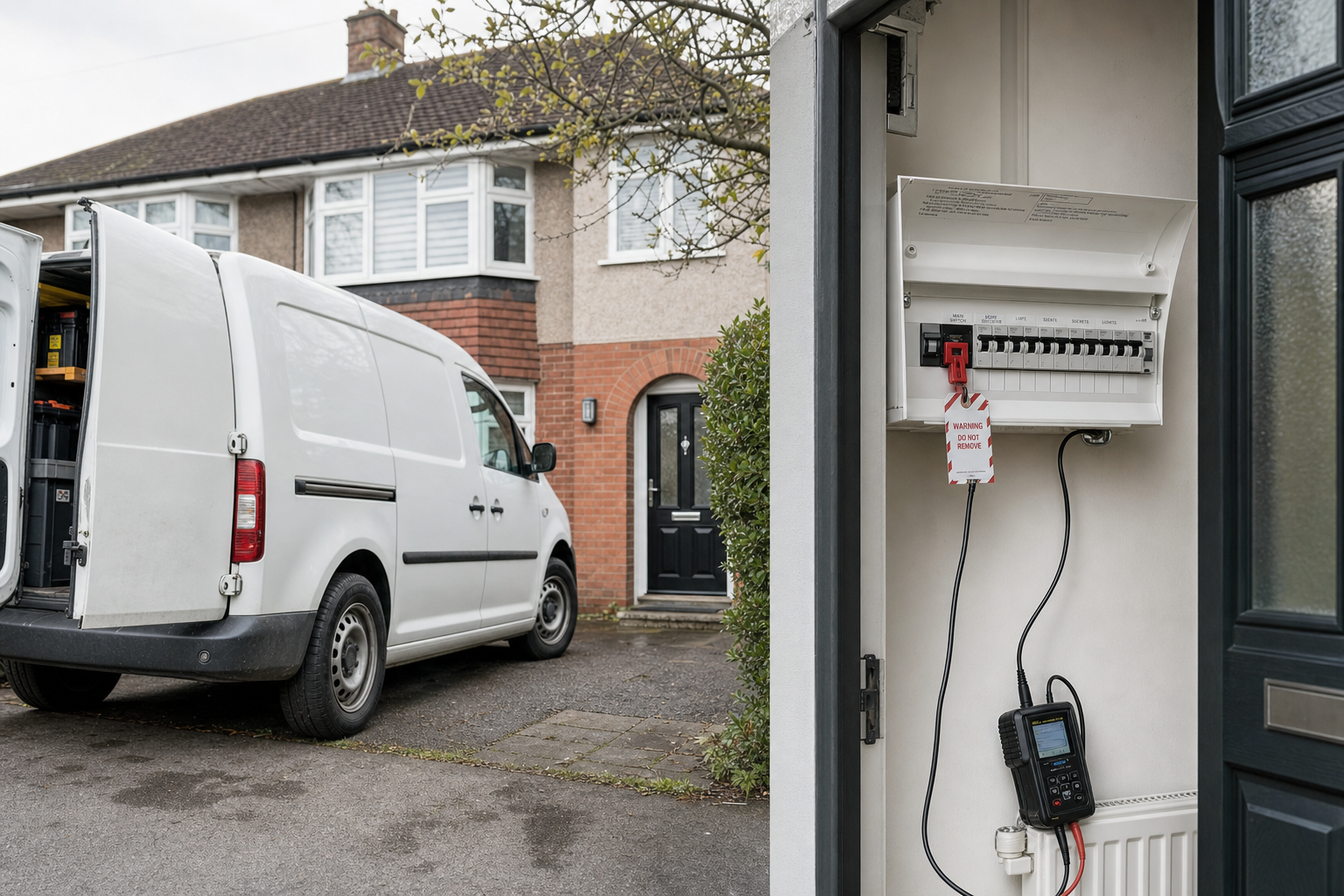
When part of the property loses power or a fitting starts misbehaving, the problem is rarely improved by staring at it harder. We take on smaller electrical call-outs as well as larger projects, so you can get help with failed sockets, dead lights, damaged fittings and circuits that keep tripping. The first step is understanding the symptoms and inspecting the affected part safely. With I.P.S Electrical Installations Ltd, the aim is to find the actual cause and repair the right thing, not swap parts at random and hope for the best.
Why the details matter before we arrive
A broken accessory can be a simple local fault, or it can be the sign of a wider circuit issue. That is why the details you give before we attend matter. Tell us when the problem started, which rooms or circuits are affected, whether it comes and goes, and what happened just beforehand. Choose I.P.S Electrical Installations Ltd if you want a diagnosis-led repair. Once we know what is wrong, we can explain whether the job needs a straightforward replacement, further testing or wider remedial work.
Frequently asked questions
What should I tell you before a call-out?
Tell us when the issue started, which rooms or circuits are affected, whether the fault is constant or intermittent and what happened just before it began. If you have noticed tripping, heat, buzzing, smells or visible damage, say so. That helps us arrive with a clearer picture of the likely cause.
Can a failed socket or light point mean a bigger problem?
It can. Sometimes the fault is local to the accessory, but sometimes it points to a wider issue on the circuit or with the wiring feeding it. That is why we inspect first rather than assuming the nearest failed part is the whole story and changing it without proper checks.
Will you know the repair before testing?
Not always. The symptoms can suggest a likely cause, but the safe repair route depends on what we find during inspection and testing. Once we know whether the fault is local, intermittent or part of a wider problem, we can explain the repair, any parts needed and what happens next.